1. Key Takeaways
2. Why Learn Welding?
3. Essential Welding Terms for Beginners
4. Basic Welding Tools Every Beginner Needs
5. Safety Guidelines and Best Practices
6. Choosing the Right Welding Process
7. Getting Started with Welding: Basic Terms and Tools Every Beginner Should Know
Starting to weld starts with building a firm foundation—how to begin with the fundamentals. Understanding basic terminology and gear allows newcomers to learn safely and confidently.
This is especially important when doing repairs at home, tackling creative do-it-yourself projects, or pursuing welding as a career For Welding for Beginners: Terms and Tools You Should Know, an acquaintance with the tools, protective gear, and terms like MIG, TIG, flux core, etc., is important.
From the first spark, beginners can seek direction through TurnKey Welders. Let’s get you started the right way—connect with us today and begin your welding journey with confidence.
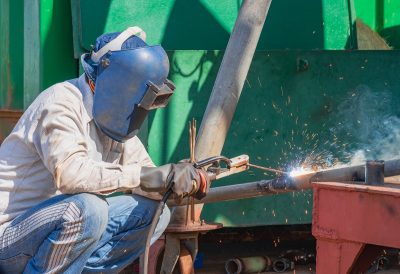
Welding blends creativity and skill, useful at home and in many industries. It’s not just joining metals—it’s a trade for repairs, art, construction, and more, offering personal growth and career opportunities.
Welding saves money because it lets you fix things and create custom metalwork. Skilled welders earn about $45,000 a year, with specialists making more.
Welding pros play an essential role in shipbuilding, aerospace, auto, and construction. Certification opens advanced jobs like pipeline or robotic welding and quality inspection. Welding’s flexibility also suits entrepreneurs.
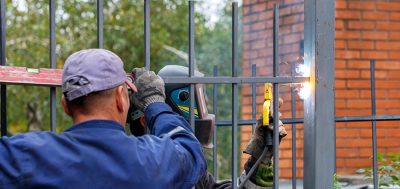
Welding lets you build useful, unique home items like outdoor structures, fences, and furniture. These projects save money and offer creative satisfaction with lasting durability.
Having a strong understanding of core terms ensures the learning process is smoother. These basic concepts are essential to comprehending processes and communicating effectively with others in the profession.
The electric arc is the basis for most welding. It occurs as electricity arcs between the electrode and metal to create heat for melting and fusing pieces. The arc length is important—too short produces splatter, and too long produces a weakened weld.
This is the solidified metal left after the filler melts. A smooth, consistent bead indicates quality. Irregular beads often point to poor technique or incorrect settings.
Shielding gases (such as Argon or CO₂) ensure that air does not contaminate the weld pool in a molten condition. The combination of Argon and CO₂ in MIG reduces spatter. TIG welding generally uses pure Argon for cleaner results.
Filler metal is added during welding to strengthen joints. It must match the base material to avoid weak connections. Using the right filler enhances weld durability and performance.
MIG welding is simple and fast, but it needs gas. TIG welding is precise but slow and tricky. Stick welding works well outside and on thick metal but takes more cleanup.
Beginner welders need the right gear to stay safe, work better, and make cleaner welds. Quality tools help with control and make learning easier.
Understanding various welding machines helps beginners select the appropriate machine for their use and projects.
Multi-process machines combine features for added versatility.
Safety during welding begins with wearing proper safety equipment.
Here are some handy tools that help improve control and finish welding projects.
Clamps keep materials secure. Magnets and framing jigs help maintain precise angles and alignment, especially when building furniture, gates, or frames.
An accurate layout ensures project success. Essential tools include:
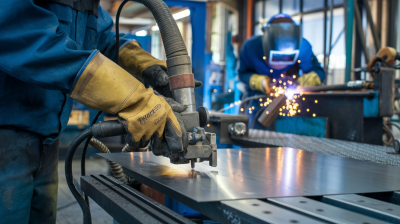
Knowing Welding for Dummies: Concepts and Equipment You Need to Know also means knowing how to stay safe. If there’s no best practice, welding can be unsafe.
Protective gear involves flame-resistant clothing, darkening filter helmets, insulated gloves, and ear protection. Standard PPE avoids the risks of burns, electrical shock, and hearing loss.
Provide a proper ventilation setup to prevent breathing in poisonous gases. Inside, provide fans or ventilation. Store flammable objects away and have a clean working space.
Have fire extinguishers on hand. Remove combustibles from the area and monitor for lingering sparks after welding ends. Install curtains to contain hot debris.
Don’t skip PPE, and never weld in cluttered or poorly ventilated areas. Damaged tools or neglected maintenance can also lead to injury. Always follow OSHA welding safety standards to stay compliant and protected.
The choice of the best welding process depends on your project, material, skill level, and budget.
Each method has its strengths and can be applied to different projects depending on cost and complexity.
Welding doesn’t have to be so scary. Knowing the basics well and with proper equipment, you can begin developing skills that result in worthwhile do-it-yourself projects or even a fulfilling career. It’s just a matter of taking the first step with the correct information.
Ready to dive in? Let us at TurnKey Welders help you gear up, stay safe, and build confidence as you begin your welding journey—we’re here to support every spark along the way. Reach out to us today to get started.

Location
New Orleans, LA

Working Hours
Mon - Fri: 8:00 AM - 3:00 PM
Sat - Sun: Closed


 Turnkey Welders