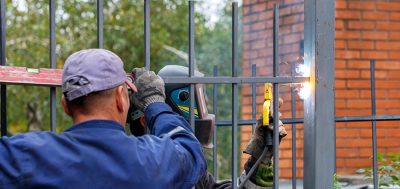
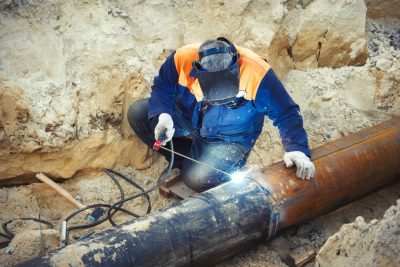
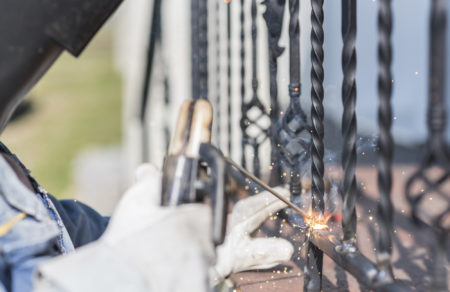
Metal fabrication and welding might seem similar at first, but they serve different purposes in metalwork. Metal fabrication involves cutting, bending, and assembling metal into functional or decorative structures.
Welding focuses on joining metal components by melting and fusing them to create a strong bond. Knowing these differences can help you decide the best method for your project.
At TurnKey Welders, we specialize in both metal fabrication and welding, providing tailored solutions for your unique needs. Let us bring precision and expertise to your next project.
Contact us today and see the difference expert craftsmanship makes!
Metal fabrication is the process of transforming raw metal into useful or decorative structures. This process includes steps such as cutting, bending, shaping, and sometimes welding to create finished products that meet specific needs. It’s where function meets creativity.
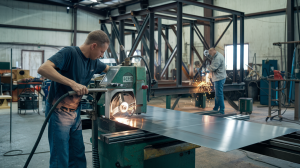 Metal fabrication refers to changing raw metal into finished products through methods like cutting, bending, molding, and welding. From sturdy support beams to intricate metal frames, it combines utility and design to meet various requirements.
This process involves more than technical skill—it also requires innovation and precision. Professionals work with metals like steel, aluminum, and copper to create items that are both long-lasting and practical. Its adaptability makes it useful in industries ranging from construction to decorative arts.
Modern technologies like CNC machining have improved the precision and efficiency of these processes, allowing for more accurate and faster production.
Welding focuses on connecting metal pieces using heat, pressure, or both. It creates a durable bond, often with the help of additional filler material. This process is essential in industries that require strong and reliable connections.
 Welding is a method of fusing two or more metal parts together through heat and pressure. Filler material is often used to make the bond even stronger. This process plays a vital role in creating durable connections for various applications.
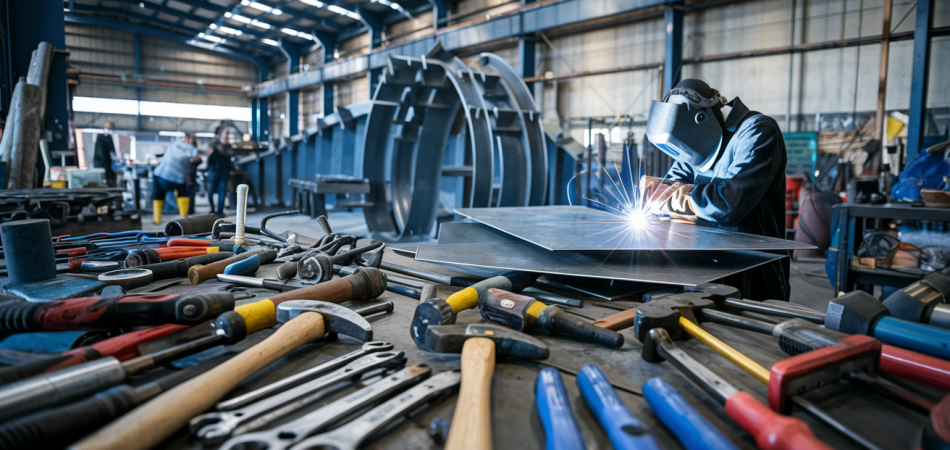
Welding demands precision and safety. Welders need to understand how heat affects different metals to create strong, clean joints. Using safety gear, like helmets and gloves, is necessary to protect against risks.
Each method is used depending on the material type and project requirements.
While metal fabrication involves various steps to create finished products, welding focuses solely on joining materials. These differences are clear in their processes, tools, and applications.
Both metal fabrication and welding play important roles in various industries. Fabrication involves shaping and assembling metal, while welding strengthens and connects these parts for durability and functionality.
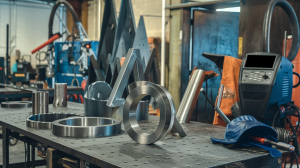 Constructing buildings and bridges
Fabrication and welding are often combined to produce high-quality results in industries like construction, aerospace, and manufacturing.
Choosing between metal fabrication and welding depends on your project’s requirements. Fabrication handles the entire process of creating metal products, while welding ensures strong and reliable connections. Combining both methods often leads to the best outcomes for complex projects.
At TurnKey Welders, we offer exceptional services tailored to your needs. Whether you need complete fabrication or expert welding, we deliver precision and quality in every project.
Ready to bring your vision to life? Let us provide expert craftsmanship and unmatched attention to detail. Call us today!

Location
New Orleans, LA

Working Hours
Mon - Fri: 8:00 AM - 3:00 PM
Sat - Sun: Closed


 Turnkey Welders