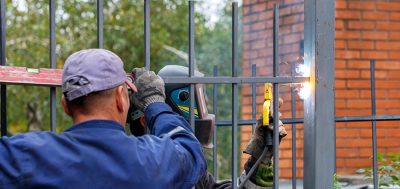
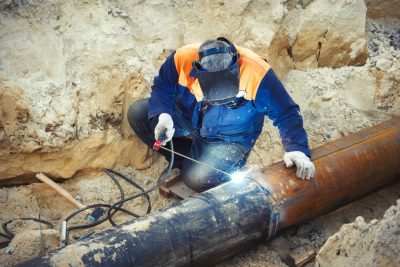
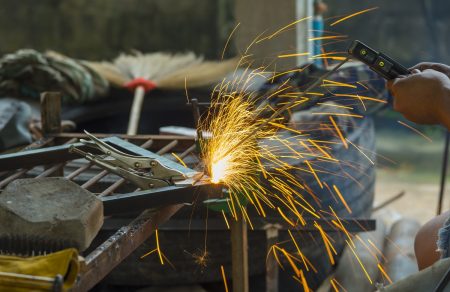
This is the justification for why metal welding should only be done by qualified and certified professionals whose work can guarantee the accuracy, safety, and durability of each project. Since welding deals with very high heat, certain equipment, and complex metals, it requires specialized technical skills and knowledge.
Professional welders learn to honor strict industry standards, which gives the assurance of strong and reliable welds that meet both structural and aesthetic demands. Here at TurnKey Welders, we have certified precision and years of experience that you can trust for your results needs. Let us handle your next project with the care it deserves. Reach out to our team today and see the difference true craftsmanship makes.
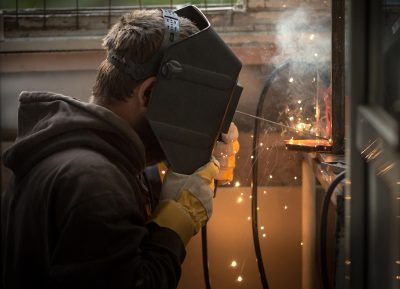
Most people think welding is merely joining two metals. Welding is almost everything, but welding connects different aspects or systems, so it needs accuracy, expertise, and compliance with many stringent methods. Without expertise and certification, safety, structural, and quality failures become high risks. They don’t just weld; they connect two pieces of metal: a temporary fixture that is expected to withstand years.
Safety is a top priority in welding. Trained welders follow strict guidelines to reduce risks like burns, fumes, and fires. They know how to use protective gear and grounding equipment properly while also recognizing dangers such as poor ventilation or faulty tools. Creating a safe workspace is essential to protect everyone involved.
Line Welding is the system that allows buildings, such as skyscrapers and bridges, to stand. Welders must follow engineering specifications so that load-bearing capabilities can be achieved. Inspections are critical. Experienced welders verify their work concerning the strengths and weaknesses to prevent catastrophic failures resulting from defects in welds. Safety and reliability are guaranteed in professional welding.
Accuracy has to be at the forefront, especially when involving complicated designs or high stress. Well-trained experts take advantage of advanced tools and methods to yield flawless welds. Adequate training exposes them to different materials and project requirements, guaranteeing high-quality results, which are significant when it comes to longevity.
This aspect of the role of certification in welding is that it actually enhances technical skills that welders have; it gives them the understanding to look even beyond the technical aspects of welding, concerning its design and practicality in the future. It secures quality and safety trust for everything that gets welded, from DIY jobs to industrial sectors.
A welder has skills certified through a test that actually has practical exams with scenarios learned in the real world, like vertical and overhead welding in shipyards. Certified welders authenticate their superb skills to employers and clients alike. Crude and specialized sectors such as oil and gas should have mandates for such certification because of the dangers involved.
Certification ensures that welding meets national and worldwide standards, such as AWS or ISO. This explains why it is very important to be in either of these places: construction and power plants, as it helps to avert costly setbacks. For example, gas pipelines should meet certain specifications to ensure safety.
Trust among employers is what certified welders do, even attracting the best job chances, especially for mobile welding. Their strong dedication to performing excellently shines through positive impressions about their work ethic, such that risk reduction and improved project outcomes become a matter of course, resulting in such instances attracting better salaries.
It won’t just be a one-off attainment, for that certification on welding is meant to be continuously updated as systems change with technology and safety standards, so that the career grows in terms of learning. Various costs are incurred, but the priceless benefits come with knowledge and opportunity.
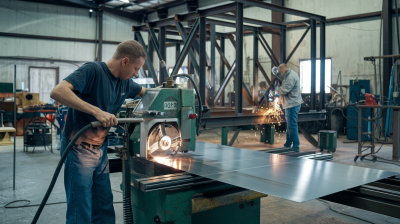
Metal welding is an awesome job and requires a perfect blend of technical skills, creative thinking, and almost obsessive precision. What skills does a certified welder possess? Here are the essential skills that set certified welders apart.
With certified welders controlling every kind of tool, machine, and equipment, from basic tools to sophisticated computer-controlled machines, they know all kinds of welding processes and can pick and choose the right one for each project, whether it is shielded metal arc welding (SMAW) or gas tungsten arc welding (GTAW).
Welders encounter unexpected problems every once in a while, be it due to faults in materials or restrictions on the site. Therefore, with quick adaptability to fix support beams to troubleshoot machine failures, they ensure that projects remain precisely on time and intact in terms of quality.
Welding requires utmost accuracy because even the slightest imperfection can compromise the weld’s integrity. Certified welders are very thorough in following drawings and industry standards and have a habit of documenting their work for quality control and traceability.
Welding certification events serve to vet the skills and know-how of a welder. These certifications are supposed to test the skill in various welding processes, positions, and applications with a focus on safety, quality, and adherence to industrial regulations and guidelines. We explicate the major welding certifications and their importance.
AWS D1.1 and plate welding certifications (3 G and 4G) are examples that cover all common techniques that are basic for beginner welders in construction and fabrication.
These focus on niche skills, such as API 1104 for pipe welding in the oil and gas sector, with emphasis on safety in hazardous environments.
For experienced welders, such as Certified Welding Inspector (CWI) and 6GR certifications, that require extensive training meant to lead the welder into either leading roles or areas of specialization.
Welding needs accuracy, craftsmanship, and expertise. The certified welder seals his craft through intensive training, guaranteeing safe and durable outcomes. Whether it’s a small repair or a large-scale project, precision matters. Trust professionals who understand the details and deliver consistent results.
Protect your investment by choosing experienced, certified welders. The choice of certified welders leads to assured quality and peace of mind for minor repairs and major undertakings alike. Call us today at TurnKey Welders for the results you need.

Location
New Orleans, LA

Working Hours
Mon - Fri: 8:00 AM - 3:00 PM
Sat - Sun: Closed


 Turnkey Welders