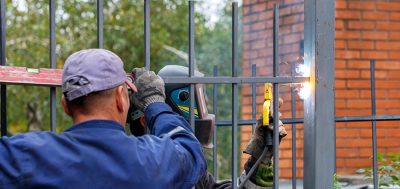
Welding defects—from porosity in welding to frustrating cracks—can seriously compromise the strength and aesthetics of your work. These common welding issues can lead to safety risks, especially in industrial settings.
Knowing how to prevent welding defects is important, whether you’re working on a professional project or tackling a DIY challenge. Let’s break down these common problems and explore effective strategies for welding spatter solutions, achieving complete penetration, and making your next weld as flawless as possible.
At TurnKey Welders are experts in handling such issues. Contact us today for expert advice and support in perfecting your welding projects!
Welding defects can weaken the strength and integrity of welded joints, potentially leading to failures in structures and machinery. Addressing these issues requires careful attention to detail, proper technique, and thorough inspection to ensure strong, reliable joints that can handle various applications.
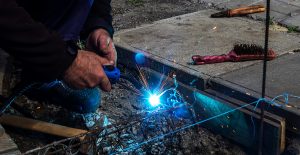 Porosity occurs when gas becomes trapped in the weld, creating small holes. To avoid this, surfaces need to be clean and dry before welding starts, and the shield gas flow should be controlled to prevent gas from getting trapped.
Cracks are severe defects caused by stress or rapid cooling, drastically weakening the weld. Preventing cracks involves preheating the material and controlling the cooling process. Using the appropriate filler material also helps avoid these issues.
Undercutting leads to thinning at the edges of the weld, which weakens its structural integrity. Maintaining the correct welding speed and angle prevents undercutting. Choosing the right welding parameters is also important for avoiding this issue.
Incomplete penetration happens when the weld doesn’t fully penetrate the joint, leaving weak spots. Correct joint preparation and welding techniques are essential for ensuring full penetration. Adjusting the welding current and speed can also improve penetration.
Welding spatter occurs when excess molten material sticks around the weld area. This not only affects the appearance but can also weaken the weld. Using anti-spatter agents and optimizing welding parameters can help reduce spatter.
Welding defects often result from various factors during the process and can compromise the final product’s structural integrity. Proper training, preparation, and adherence to best practices help reduce these defects. Common causes include:
Mastering welding techniques is critical to avoiding defects. Incorrect angles or speeds can cause undercuts and incomplete penetration.
To refine techniques:
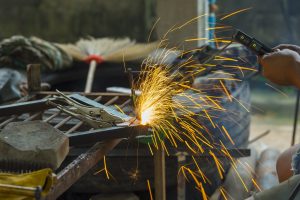 Clean materials are essential to prevent defects such as porosity. Contaminated surfaces can cause gas to become trapped in the weld.
Make sure materials are clean by:
The correct welding gas protects the arc and prevents defects like porosity.
Make sure to:
Excessive welding current can cause spatter, impacting weld quality.
To address this:
Incorrect cooling can lead to cracks. Metals need to cool at the appropriate rate for their composition. Controlling the environment around the weld zone ensures a gradual cooling process.
Recommended practices include:
Ensuring the strength and safety of welded structures depends on preventing defects. Focusing on these prevention techniques can help reduce risks and deliver durable results. Key prevention methods include:
Inspecting welds is essential for ensuring the quality and safety of the final product. Various methods can be used to detect defects, depending on the situation and materials.
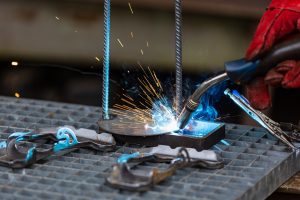 Visual inspection is the first step in identifying surface flaws such as cracks or spatter. It’s quick, cost-effective, and often uses tools like magnifying glasses to spot common issues.
Ultrasonic testing uses sound waves to detect flaws inside the weld. This method reveals hidden defects that visual inspections might miss. It’s especially useful in safety-critical structures.
X-ray inspection offers detailed insights into the weld, revealing internal flaws like porosity and incomplete penetration. This method is vital for applications where failures could have serious consequences.
Take what you’ve learned here and apply it to improve your welding skills. Reach out to TurnKey Welders for expert advice and support.
As you continue to practice and refine your techniques, your welding skills will only get stronger. Let’s take your welding game to the next level—contact us at TurnKey Welders for more information!

Location
New Orleans, LA

Working Hours
Mon - Fri: 8:00 AM - 3:00 PM
Sat - Sun: Closed


 Turnkey Welders