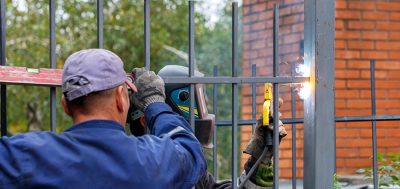
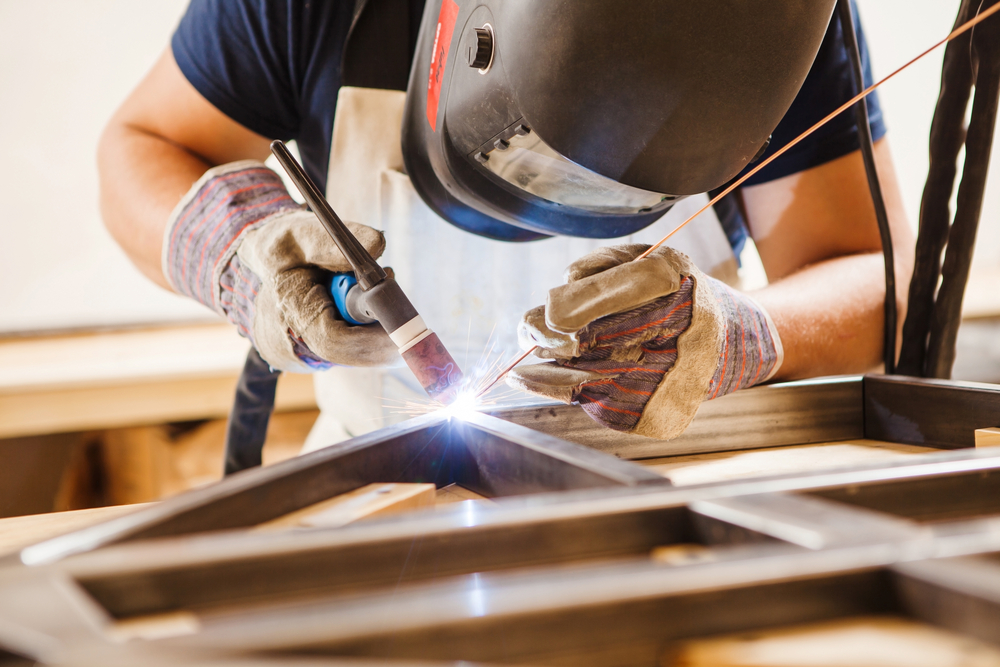
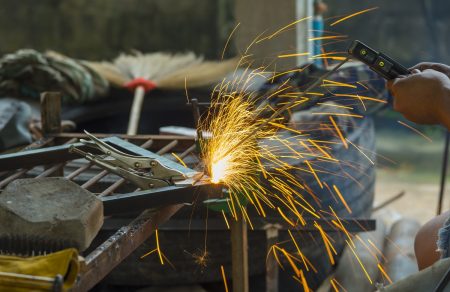
At TurnKey Welders, we focus on techniques such as TIG welding for precision, MIG welding for speed, and stick welding for rugged outdoor projects. These methods provide durable, customized fences built to last.
Be it for security, privacy, or beauty, our experience promises outcomes that combine utility with artistry. Let’s dig into these techniques. Ready to bring your vision to life? Contact us today and let’s start building.
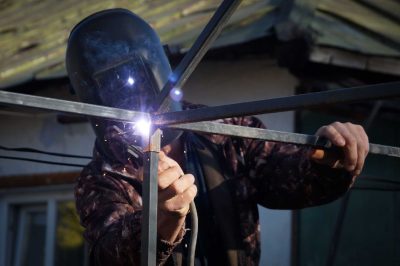
Welding plays a vital role in making the strength, appearance, and lifespan of a fence. A good weld not only retains parts when subjected to stress but also makes the fence secure and visually appealing. The following are the key advantages that welding brings to fence quality:
Provides scope for varied designs to meet functional and aesthetic requirements.
Strong welds are crucial to fences for withstanding high wind, impact, and thermal stresses. Stress-free welding ensures the structure does not break. Deep penetration welds that join materials together are critical for load-supporting parts such as gate frames. Poor welding reduces the lifespan of components and compromises safety.
In every welded intersection, the fence becomes more stable overall, and strong corner joints transfer stress efficiently.
Quality welds turn fences into more than just barriers, but also make them beautiful structures. Smooth, clean welds render a very pleasing surface, particularly for decorative metal fences that need exact welding to preserve complex designs. Smooth joints provide a clean look and enable infinite style possibilities with new welding methods.
Proper welding avoids rust and corrosion, the primary reasons for fence degradation. Good welds repel moisture, and rust-resistant paint after welding further prolongs the life of the fence. We use excellent quality materials and welding processes to provide your fence with years of service, reducing expensive repairs.
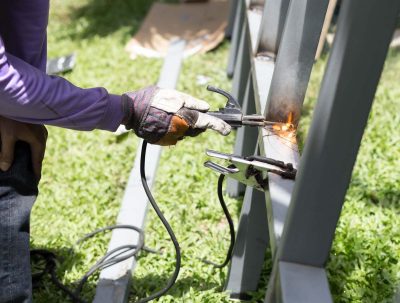
When fabricating custom metal fences, selecting the appropriate welding technique is crucial for ensuring durability, functionality, and aesthetic design. Every technique has unique advantages for different materials and design objectives.
MIG welding is a favorite for its speed and ability to create durable, reliable welds. The shielding gas it utilizes keeps contamination at bay, providing clean welds even in rudimentary settings. This technique works great on steel and aluminium, giving it a great range for most custom fence projects.
Its simplicity of use is a further benefit. Whether for DIY projects or the pro on a deadline, MIG makes it easy without sacrificing quality. It’s especially good on uncomplicated, large designs like steel privacy fencing.
TIG welding is known for precision, so it’s perfect for intricate, decorative fence designs. Because it can weld thin materials, like aluminum and stainless steel, it leaves cleaner, detailed results. The tungsten electrode improves weld quality, leaving a beautiful finish.
It’s common for fancy custom fences where aesthetics are king, like ornamental iron or stainless steel gates. TIG welding requires greater skill and more time; the outcome is peerless for fine workmanship.
Stick welding is appreciated for its outdoor versatility and dependability. It hits home on the thick stuff like wrought iron and steel, which are staples of heavy-duty fences and gates. Its equipment is simple and therefore affordable, especially for industrial or remote projects.
When working in difficult environments, such as mending fences battered by the elements, stick welding guarantees robust, long-lasting outcomes. Its tolerance of rough surfaces minimizes prep work.
Cutting-edge tools, such as V-groove weld or robotic inspections, push efficiency and accuracy. These techniques simplify fixes or maximize weld penetration for extra strength. Never lose safety and fence care.
We match the right welding technique to each metal for our custom metal fences, ensuring strong joints that stand the test of time. Each metal requires a specific method for optimal structural and visual results.
Steel demands penetration welds for stability, particularly in support fences. Stick welding is predominantly applied to thicker sections, while MIG welding is applied to thinner panels. Accuracy is paramount; the wrong welds can compromise the frame. Rust-proof coatings, such as zinc primers or powder coating, preserve the metal and make it long-lasting without lessening aesthetics. Surface preparation before welding continues to lengthen the product’s lifespan.
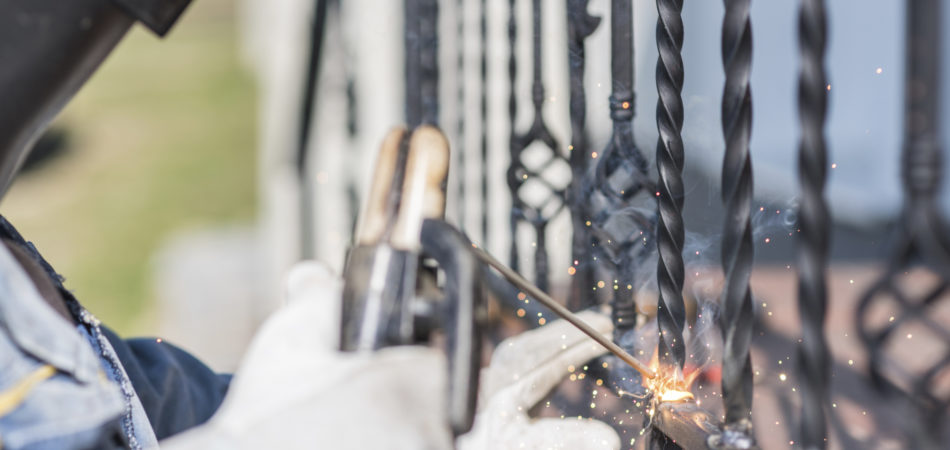
Wrought Iron Stick welding is the preferred technique for wrought iron, being suitable for dealing with heavy materials. It is crucial to provide strong joints, particularly for ornaments. For wrought iron fences, functionality and aesthetics are both considered; thus, durability is important. Clean welds are critical in order to maintain the appearance of ornamentation.
Welding is foundational to creating custom metal fences, impacting both structure and appearance. Each technique—TIG for precision, MIG for efficiency, or stick welding for strength—offers distinct advantages.
Our expertise transforms raw metal into functional and elegant designs. If you’re ready to bring your vision to life, we’re here to help create something strong, protective, and uniquely yours.
Ready to turn your ideas into a fence that’s both durable and stylish? Let’s make it happen together—reach out to us at TurnKey Welders today.

Location
New Orleans, LA

Working Hours
Mon - Fri: 8:00 AM - 3:00 PM
Sat - Sun: Closed


 Turnkey Welders