A solid weld is the backbone of any metal structure, providing long-lasting protection from wear and damage. Beyond welding skill, proper metal preparation plays a major role in creating a weld that remains strong over time.
At TurnKey Welders, our process focuses on cleaning surfaces, smoothing edges, and preheating metals when needed—all of which contribute to a stronger and more reliable final result.
Thorough metal preparation helps reduce defects and improves the durability of the weld. Skipping or rushing through these steps compromises the integrity of even the most expertly executed welds.
At TurnKey Welders, we prioritize proper preparation in every project to deliver the best results. Contact us today to find out how we can support your welding needs.
To achieve a lasting weld, the first step is thorough metal preparation. Properly preparing the surface allows welded parts to withstand stress and perform reliably. Whether the project involves industrial applications or smaller tasks, the ability of the weld to handle force is directly related to how well the metal was prepped beforehand.
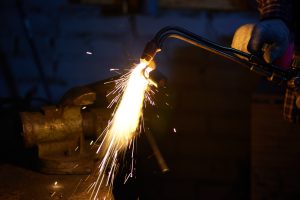
Metal surfaces often carry impurities like oil, grease, or rust. These contaminants weaken the weld by preventing a proper bond between the metal surfaces. Cleaning the surface thoroughly helps create a weld that holds strong and avoids cracks or corrosion over time.
If preparation is neglected, various problems can arise, including:
For instance, attempting to weld a rusty piece of metal will lead to a weak connection. The rust creates a barrier that prevents the materials from bonding properly, compromising the structure.
To create a strong and dependable weld, the following steps and practices are important:
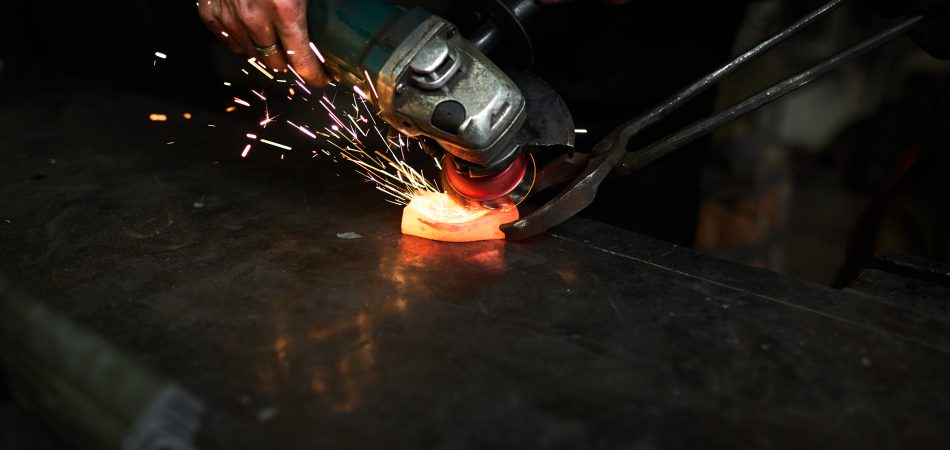
Before welding, removing dirt, grease, and rust is necessary. Techniques like wire brushing or grinding are effective for clearing away impurities, while solvents can dissolve oils without leaving scratches. A clean surface prevents any contaminants that could compromise the weld.
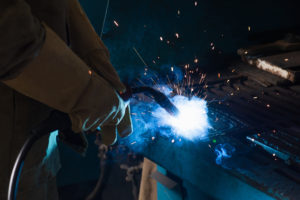 Sharp or uneven edges can weaken the weld, making it prone to cracking or breaking. By removing burrs and smoothing the edges, a uniform surface is achieved, resulting in a stronger weld. This step is particularly important for projects that need to withstand heavy stress.
When working with thick or rigid metals, preheating reduces the risk of cracking or warping during the welding process by alleviating thermal stress. Preheating creates a smoother welding experience and a more stable bond between metals.
Temperature and humidity have a considerable impact on metal preparation. High humidity can cause rust to form quickly on cleaned metal, which weakens the weld. Whenever possible, working in a controlled environment helps avoid moisture and rust issues.
Prioritizing safety is critical when handling metal, tools, and chemicals. Gloves and eye protection should always be worn, and working in well-ventilated areas prevents exposure to harmful fumes.
Having the right tools is essential for effective metal preparation. These tools make the process smoother and help ensure surfaces are treated and cleaned properly, ready for welding:
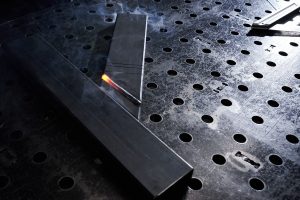 Wire Brushes: These help remove loose particles, rust, and light debris from metal surfaces, providing a clean base for welding.
After completing the weld, post-weld inspection is critical in assessing its strength and quality. This process involves checking the weld for defects such as cracks, undercutting, or improper penetration. Tools like visual inspection, ultrasonic testing, or radiography can help evaluate the weld’s integrity and confirm it meets performance standards.
If any defects are found during the inspection, further cleaning or smoothing of the weld area may be required to produce a seamless final product. Post-weld inspection is especially important for projects that demand high standards, providing confidence that the weld is reliable and ready for its intended use.
Proper metal preparation is the foundation of a successful welding project, impacting not only the strength but also the durability and quality of the final weld.
Making sure that surfaces are clean, edges are smooth, and metals are preheated when needed leads to welds that can withstand the test of time. Each step, from preparation to execution, plays a vital role in creating a lasting and reliable result.
At TurnKey Welders, we understand the importance of thorough preparation and using the right tools for the job. Combined with our post-weld inspections, we deliver top-quality results that meet the highest standards.
Let us help you achieve welds that are built to last—contact TurnKey Welders today for expert solutions.

Location
New Orleans, LA

Working Hours
Mon - Fri: 8:00 AM - 3:00 PM
Sat - Sun: Closed


 Turnkey Welders