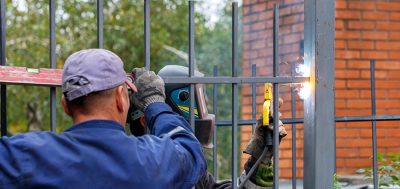
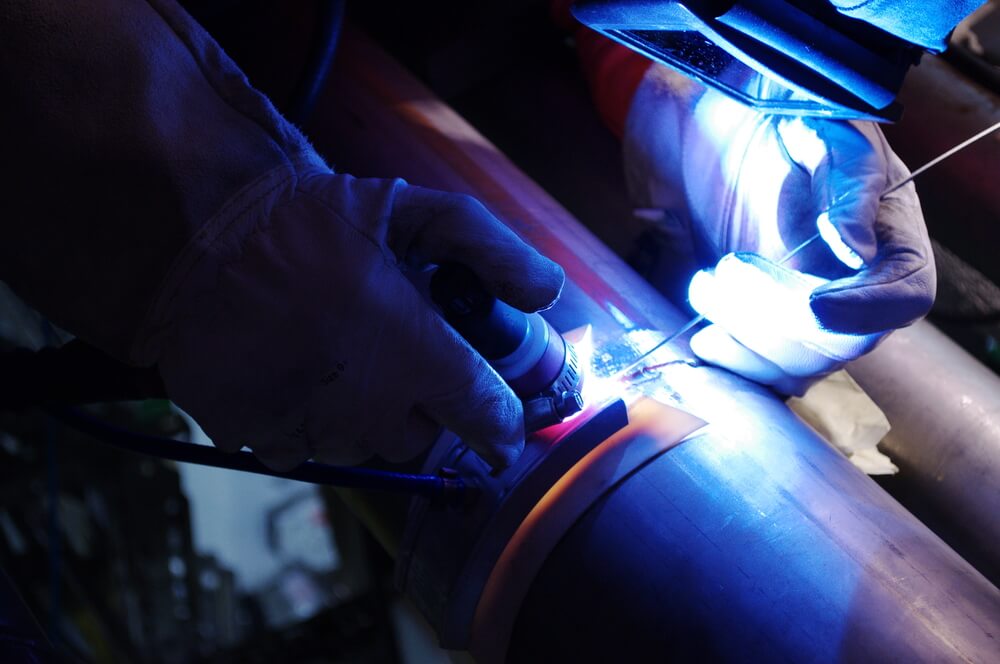
Investing in professional welding involves weighing costs against long-term value, including structural integrity and custom designs. These long-term benefits clearly set professional welding apart from DIY approaches, which often fall short.
TurnKey Welders provides expert on-site welding with custom solutions for residential and business projects. For reliable professional welding services, contact us today.
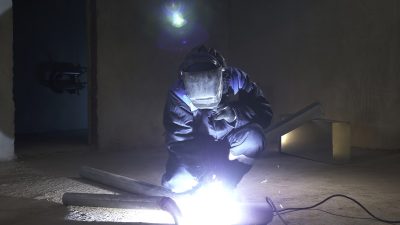
Expert work is costly upfront, and well worth every single cent. Unlike DIY or in-house welding, professional work takes full advantage of experiences, industry-grade equipment, and accepted safety protocols to guarantee excellence.
In professional welding service, charges usually cover more than just the labor. It most often encompasses access to quality, specialized tools, some of which may amount to thousands of dollars, such as TIG or MIG welders. Of course, years of experience play a big part, and certified welders are educated to code and industry requirements.
Professional fees usually encompass QA-ing. For instance, welds for strength, to prevent any risk of breakdowns. Indeed, such knowledge may look like an expensive extra payment up front, but it saves you rework later on and ensures long-term solutions. With the right welding, one good weld can keep its integrity for decades, sparing our clients from suffering thousands in repairs again and again.
Setting up an in-house welding shop is often much more expensive than hiring professionals. Costs can range from $7,000 to $150,000, not including training and certification.
Ongoing expenses such as consumables, repairs, and depreciation also add up. Items like welding rods, gas cylinders, and protective gear can cost thousands annually. Hidden costs, including downtime from equipment failures or inefficient workflows, further reduce the cost-effectiveness of managing welding operations in-house.
With DIY, the risk is bad welds, which could lead to structural integrity failure or expensive fixes. It also much time to master with practice, which takes away from productive work. The new welders waste excessive raw materials, which increases the cost of the project.
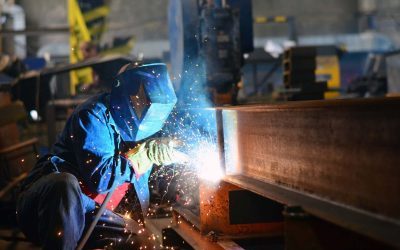
The real value of professional welding. A breakdown of the advantages of employing certified welders and how such an investment guarantees quality, safety, and long-term savings.
Certified welders deliver high-quality workmanship through clean, strong, long-lasting, and defect-free welds, which are necessary for load-bearing instances and custom designs. Poor welds can and have caused structural failures. Certified welders use, inter alia, advanced machines such as MIG and TIG welders for accurate, clean welds.
Safety is paramount during welding, and in this case, professional welders will obey the safety procedures and work safely wearing protective equipment. By following proper welding procedures, they can minimize the risk of their work being a safety hazard.
Professionals make sure project timelines are adhered to. Fast-welders act with skill to avoid delays from quality issues. The newer skills mean that they always have their timing methods right, which helps them stay on budget.
Professional welders carry out their tasks while adhering to codes and regulations. This guarantees that every project conforms to accepted laws, syntactic structures, and standards, which supersedes all liability protection for the project in question.
Professional welds enjoy an extended lifespan, with reduced repair costs. Using materials resistant to corrosion keeps metalwork attractive and functional for many years, leading to savings over time.
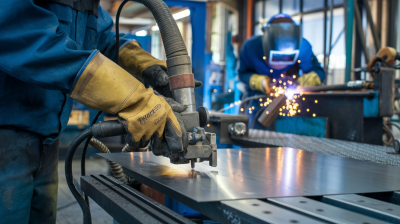
The assessment of professional welding services requires some measuring up using issues of cost, service life, risk, and benefits. Such measures are amenable to quantification and therefore lend themselves to evaluation.
Start assessing total welding costs, including labor, materials, equipment upkeep, and downtime. A robotic welder may cost $80,000–$150,000, and installation can triple that amount. Labor plays an important role; comparing wages with automated savings shows how fast the investment can pay off while reducing unexpected expenses.
Project lifespan and performance are paramount. Since durable welds mean low maintenance for the structure, a good fence might not be replaced for decades. Trusting a competent welder or system reduces downtime and repair costs, hence making quality work an economically viable option.
Risk is an important parameter in measuring the ROI. A poorly skilled welder can cause non-conformance, liability, and costly rework. These weld-induced complications could actually end up being detrimental through excess utilization of materials.
Automated solutions offer the reliability of precision, thus reducing such risks. Consider the downtime initiated by installation or training in the initial cost as part of weighing the risks-free short-term expenditure.
Making a minimal investment in professional welding services is truly a time saver, safe, and provides quality results. You will avert costly mistakes and irresponsible work. Whether you need gates custom-designed for your estate or structural repairs for your business, the best welding service always comes into play.
Value for money! You want the job done right the first time with no shortcuts. With us, you are assured of credibility thanks to experience, equipment, and due diligence. Let us talk about the next project. Call us today at TurnKey Welders.

Location
New Orleans, LA

Working Hours
Mon - Fri: 8:00 AM - 3:00 PM
Sat - Sun: Closed


 Turnkey Welders