Welding is a major contributor to strengthening and securing structures. It forms smooth, solid joints that assist in weight bearing, stability, and pressure resistance. From steel frames in buildings to railings in the home, solid welds make a difference where it counts.
At TurnKey Welders, techniques such as MIG and TIG welding are employed to meet the demands of every project. Not only do these procedures get the work done effectively, but they also enhance the strength and performance of buildings, pipes, and systems. That’s why welding remains a favorite in construction and engineering even up to this day. Let’s work together to make your project stronger and longer-lasting. Get in touch with us today and see how our welds can make a difference.

Through direct material combination, the elimination of weak spots, and a more equitable distribution of stress, welding strengthens structures. Unlike screws or bolts, welds create a solid continuity of contact that supports weight and pressure better.
Welding melts and joins base metals into one solid structure. This fusion eliminates gaps, acting as if the materials were a single piece. Full-penetration welds create molecular bonds essential for high-strength applications like bridges, cranes, and industrial frames.
Welded joints eliminate common problems associated with bolts or screws, including the tendency to loosen due to pressure corrosion or the effects of time. This reduces maintenance and performance during the longer term, particularly in hostile conditions.
Welding changes the microstructure of the metal at the joint. This atomic-level bond increases durability and toughness. It helps prevent embrittlement and ensures the weld can withstand high stress.
Welds spread loads more evenly, which helps prevent failure under heavy or shifting loads. The type of weld, materials, and technique used all influence how well the joint manages stress.
Welding methods are not one-size-fits-all—each has its advantages depending on the task in question. Choosing the proper method constructs safer, stronger, and more reliable structures.
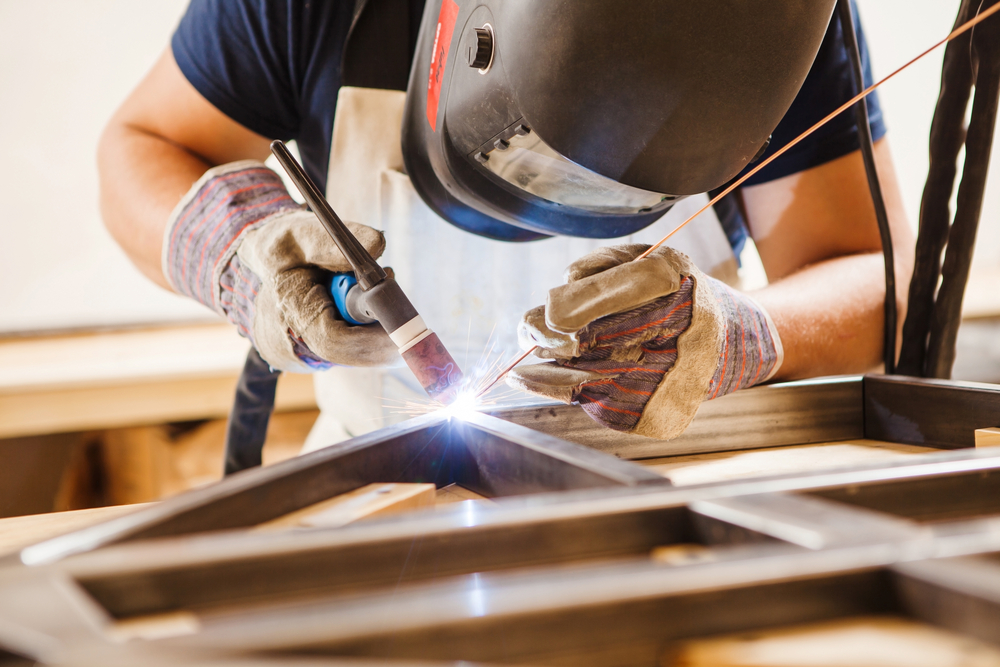
MIG (metal inert gas) welding is used extensively in construction and manufacturing. It’s effective on thick and thin materials, such as carbon steel and aluminum, repeatable, and fast. It’s ideal for constructing frames, car parts, and home renovation structures.
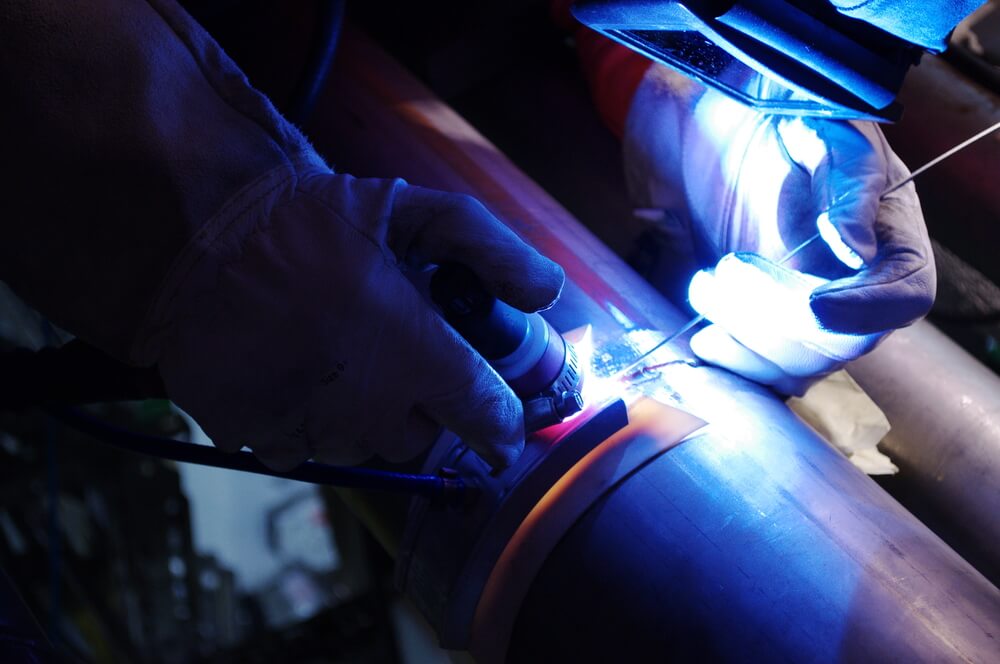
TIG welding creates a corrosion-resistant weld. In case you seek a product capable of ensuring durability and precision like in the aerospace industry, cars, or medical tools, it is the best choice. TIG welds require more time when compared to other forms of welding, even if they are high-quality.
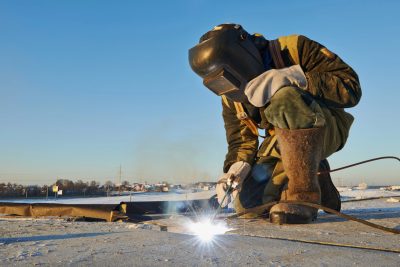
Stick welding works well for industrial or outdoor settings. It is frequently used in pipeline, bridge, and heavy machinery repair and performs effectively in less-than-ideal conditions like wind or rain.
Methods such as laser welding offer accuracy at the point and low distortion. These techniques are ideal for detailed or delicate work that requires precise, clean welds.
Weld joint toughness depends on smart choices—from materials to temperature control. Each step plays a part in building safer, longer-lasting connections.
Choosing compatible base metals and filler materials is critical. Mismatched metals can cause porosity or cracking. For example, high-carbon steel often needs special electrodes to keep the balance between strength and flexibility.
Voltage, amperage, and travel speed all affect weld quality. Improper settings can lead to weak joints or unnecessary waste. Precision tuning ensures the weld penetrates properly and retains strength over time.
Extreme heat or inconsistent cooling can make welds fragile. Preheating, regulated cooling, and temperature management lead to tougher, more resilient welds.
The joint shape and fit significantly influence the quality of the weld’s durability. V-groove and bevel joints are designed to spread stress and reduce cracking. Accurate prep work and alignment are necessary.
Welds that are exposed to moisture, chemicals, or harsh temperatures require additional protection. Weather-resistant coatings and materials minimize wear and enhance longevity in harsh environments.
No mechanical fastener can match the strength and durability of a well-made weld. As bolts and adhesives are dependent on points of contact, welding produces a solid joint. This distributes weight and pressure more effectively and lowers the possibility of failure.
Welding enables engineers to build heavy-duty yet lightweight structures, an essential in aviation and naval applications. This compatibility reduces material costs while enhancing the performance of a structure.
Welds enable us to have desired shapes and points of connection that are not achieved with conventional fasteners. If it is to be a shaped architectural feature or an industrial trestle, then welding enables such creative, streamlined constructions.
Welded joints don’t need bolts, nuts, or adhesives, reducing both material and labor costs. Their long-term durability also cuts down on repair and maintenance.
Welds are critical in the formation of hermetic connections in uses such as pipelines, tanks, and pressure vessels. This is to avoid contamination, guard the environment, and provide safety in operation.

High-performance welds require consistent quality checks. Standards like AWS and ISO help verify that welds meet strength, safety, and compliance requirements.
Pores, porosity, and inadequate fusion may not be visible. Destructive testing methods, such as ultrasonic or radiographic inspection, detect such faults early before they become larger faults.
Understand the cause of typical weld flaws, like undercutting or slag inclusions, and it’s simpler, safer, and more efficient to repair. Experienced welders know how to correct such flaws without compromising the joint.
As necessitated, welds are made stronger through grinding, overlaying, or re-welding. Regular inspection avoids turning small problems into structural failures later.
Heat treatment or shot peening are operations that reduce internal stress and improve fatigue life. These finishing operations optimize long-term performance, particularly in extreme environments.
The right weld design supports the full strength potential of the joint. Full-penetration welds, for example, eliminate weak points. For less demanding areas, intermittent welds save time and material while maintaining structural support.
Each design choice should reflect the project’s needs—balancing strength, cost, and environmental factors.
Strong welds don’t just hold materials together—they create the backbone of safe, lasting structures. They also provide the stability and durability every project needs. If you’re planning a project that demands strength and reliability, let’s talk about how our welding expertise can make a real difference.
At TurnKey Welders, we’re here to help you build with confidence—because when your structure’s solid, everything else falls into place. Reach out to us, and let’s make it strong from the start.

Location
New Orleans, LA

Working Hours
Mon - Fri: 8:00 AM - 3:00 PM
Sat - Sun: Closed


 Turnkey Welders