Common welding problems, such as weak joints, warping, and cracks, usually result from poor techniques, mismatched materials, or environmental effects. As professionals, tackling these problems involves selecting the correct welding techniques, proper materials, and preparation.
For example, preheating minimizes thermal stresses, while state-of-the-art tools have enhanced accuracy. Finding the source results in a long-term, dependable, and quality repair. We can help with the repairs you need. Simply contact us at TurnKey Welders.
Understanding and diagnosing welding defects requires a systematic approach to know why they have occurred and how to remedy the situation. Therefore, we assess common welding issues, describe their characteristics, and explain how professionals would go about rectifying them.
Gas pockets in weld metal lower the strength and durability. Reasons include improper shielding gas flow and contaminated base metals. To avoid, regular inspection and cleaning would be paramount.
Surface and subsurface cracks weaken the structure. Hence, tests for early detection are very decisive. To avert brittle conditions, the use of compatible filler metals and controlling cooling rates is advisable.
Grooves along weld edges weaken joints. Slower speeds and tilting the electrode help fill these grooves and minimize over-melting for stronger welds.
Excess molten droplets result from incorrect voltage or amperage. Adjusting these settings and maintaining proper electrode distance reduces spatter and cleanup time
Cold lap occurs when the weld metal fails to bond with the base material. Increasing heat input and improving joint preparation enhances penetration and strength, especially in thin materials.
As you know, welding defects are expensive and slow, so a professional fault-finding process is an absolute necessity. Taking these same systematic steps, we discover, study, and fix problems quickly, and they don’t come back. We take the professional diagnostic approach, with visual, auditory, and machine-based inspections to guarantee the accuracy of each weld.
The first step is a thorough visual inspection. Signs like burn-through or discoloration indicate overheating or insufficient shielding gas. Irregular weld beads or cracks suggest issues with technique or materials. Porosity appears as tiny holes from gas entrapment, often due to low gas flow, which can be fixed by adjusting the gas supply.
Inconsistencies in weld size or alignment may signify issues like incomplete root fusion, caused by improper wire placement or heat input. Contamination, such as soot, can be mitigated by cleaning materials before welding. Lastly, we assess weld consistency for smooth, flat beads without cold laps or lack of fusion.
Listening to the weld can provide valuable insights. Intermittent arc noises may indicate unstable conditions, such as incorrect amperage or poor electrode contact. Hissing or popping sounds suggest improper shielding gas flow and potential porosity.
Consistent sound patterns reflect well-tuned parameters, while changes in sound can reveal equipment problems like inconsistent wire feed. Keeping the wire feed within 1/2 inch of the nozzle helps ensure reliable welds.
Modern welding machines offer real-time diagnostic feedback. Digital displays for voltage, amperage, and wire feed speed help identify inconsistencies. Error codes or alarms signal specific issues like overheating or gas flow problems.
Adjusting settings based on this feedback enhances performance and reduces defects. Data logs allow us to track trends and recurring issues, helping to prevent problems like a lack of fusion or cold lap in the long run. Collaborating with colleagues promotes shared knowledge and consistent standards.
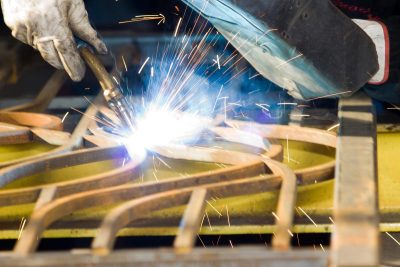
One of the biggest hints to dealing with common welding problems is being proactive in prevention, as opposed to being reactive in dealing with them. When we mix the right training, equipment maintenance, and environmental controls — we not only make our welds better and more productive — but we also create safer work environments.
Clean base metals are crucial since oil, rust, or paint residue will lead to weak welds. A clean surface can be achieved with wire-brushing, grinding, or solvents.
The best way to prevent defects and structural failures is through proper fit-up and alignment, as misaligned joints can induce a cracking event. Mismatched properties can be avoided with compatible filler metals.
Preheating encourages the reduction of thermal stress in thicker or high-carbon steels, which prevents problems associated with distortion and, more importantly, hydrogen cracking, producing strong welds spliced with time and costs saved.
The right joint arrangement is the key. For MIG welding, butt joints are used, while lap joints can be adopted for thin materials. Providing proper gap and bevel angles enables deeper penetration, which is often a requirement of a structural application, in which case a bevel angle of 30 to 45 degrees is usually optimal.
Simple joint designs do not mistake, and fixtures and clamps maintain this alignment and are especially important in larger assemblies.
Environmental conditions highly influence the quality of welding. Cool, good ventilation prevents fume contamination, while shielding from wind, moisture, and drafts ensures arc stability.
Consider temperature and humidity since high humidity oxidizes materials such as stainless steel. Moreover, enclosures or portable welding tents can assist in improving the final projects, especially when used for outdoor locations or sensitive materials.
Welding problems can occur, but again, we concentrate on solutions rather than quick fixes. Addressing issues at the source and using the right techniques and materials, we make sure your welds are built to last.
Whether it’s a small pinhole repair or heavy structural welding, you can count on us at TurnKey Welders to handle it with care and precision. Let us take the hard work off your hands—reach out today, and we’ll make sure your project is done right.

Location
New Orleans, LA

Working Hours
Mon - Fri: 8:00 AM - 3:00 PM
Sat - Sun: Closed


 Turnkey Welders