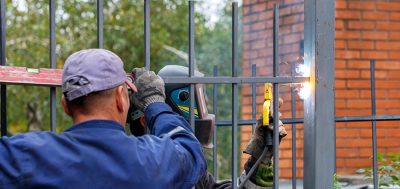
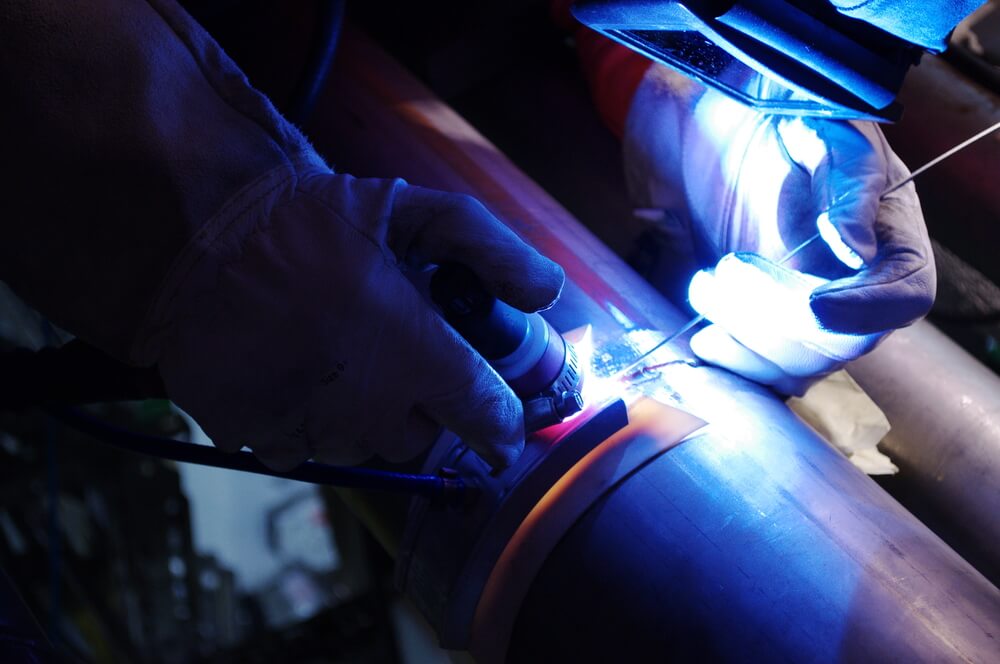
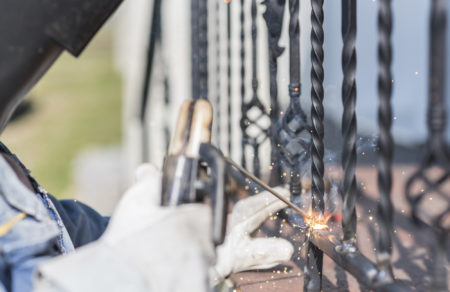
Selecting the right welding materials is essential for achieving reliable and durable results. The choice largely depends on the metals you are working with and the conditions of the project. Whether you require rods, wires, or other consumables, understanding your project requirements simplifies the process.
Safety should always be a priority—use gloves, helmets, and other protective gear to create a secure working environment. By focusing on the fundamentals, you can approach each project with confidence and precision.
TurnKey Welders is here to deliver quality welding solutions you can trust. Let us bring strength and precision to your next project—contact us today!
Welding consumables play a significant role in the success of any project. Choosing the right materials helps ensure strong and dependable bonds. Below are the primary types of welding consumables and their purposes:
 Filler Metals: Materials such as steel or aluminum used to join components during welding.
Low-quality or mismatched consumables can compromise your project by weakening welds. To achieve optimal results, always use certified materials that meet your project’s requirements. For instance:
Investing in high-quality consumables improves performance and ensures long-term durability.
Selecting the right welding materials is a crucial step in producing strong, reliable welds. Consider the following factors to guide your decision:
Each project comes with unique requirements that influence material selection. Examples include:
Questions to Guide Your Selection:
Addressing these considerations helps you choose materials that align with your goals.
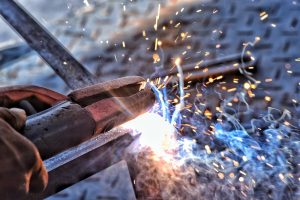 Correctly pairing filler metals with base materials is essential for strong, durable welds. Common examples include:
Proper material matching ensures your project results are dependable and long-lasting.
Environmental factors such as temperature, humidity, and exposure to chemicals can impact weld performance. Consider these examples:
While high-quality materials may have a higher upfront cost, they often lead to better performance and fewer issues over time. Examples include:
Balancing cost and quality provides long-term value and reliable results.
Materials alone do not guarantee success—choosing the right equipment is equally important. Here’s a guide to help match your tools to your project needs:
Equipment Considerations:
Safety should always be a top priority during any welding project. Follow these practices to minimize risks:
Routine maintenance of tools and ongoing training further enhance safety on the job.
The right tools and accessories significantly impact your efficiency and the quality of your work. Here’s what every welder should have:
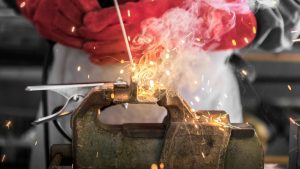 Welding Machine: The core of your setup, and a reliable machine ensures consistent performance.
Selecting the appropriate welding materials and equipment lays the groundwork for a successful project. Tailoring materials to your specific needs, accounting for environmental conditions, and utilizing reliable tools help ensure your welds are strong and built to last. Safety remains an essential component, supported by proper gear and an organized workspace.
At TurnKey Welders, we’re committed to providing exceptional solutions for all your welding needs. Whether it’s dependable materials or expert craftsmanship, we’re here to bring your projects to life with precision and reliability. Choose TurnKey Welders and let’s create something extraordinary together—contact us today!

Location
New Orleans, LA

Working Hours
Mon - Fri: 8:00 AM - 3:00 PM
Sat - Sun: Closed


 Turnkey Welders