Common Welding Issues and How Professionals Fix Them
Table of Contents
- Key Takeaways
- Diagnosing Common Welding Issues
- a. Porosity
- b. Cracking
- c. Undercut
- d. Spatter
- e. Incomplete Fusion
- The Professional Diagnostic Process
- Visual Cues
- Sound Analysis
- Machine Feedback
- Proactive Prevention Strategies
- Material Preparation
- Joint Design
- Environment Control
- Trust Us With Your Welding Issues, And You Won’t Regret
Common welding problems, such as weak joints, warping, and cracks, usually result from poor techniques, mismatched materials, or environmental effects. As professionals, tackling these problems involves selecting the correct welding techniques, proper materials, and preparation.
For example, preheating minimizes thermal stresses, while state-of-the-art tools have enhanced accuracy. Finding the source results in a long-term, dependable, and quality repair. We can help with the repairs you need. Simply contact us at TurnKey Welders.
Key Takeaways
- Porosity, cracking, and spatter can compromise the strength of the structure and decrease its life span. To diagnose these problems, professionals use a range of tools, including visual inspections, X-rays, and dye penetrant testing.
- Root causes tend to be bad welding methods, mismatched components, or bad environmental conditions. Attending to these elements is key to producing robust, dependable welds.
- Avoiding the defect begins with preparation. These are base metal cleaning, compatibility of materials, and preheating of materials, if necessary.
- Machine settings play a major role in weld quality. Keeping an eye on voltage, amperage, and wire feed speed can help minimize defects such as spatter and incomplete fusion.
- Forward-thinking measures like educating welders, maintaining equipment, and handling environmental variables can reduce typical welding headaches.
- Working together and keeping track of it all is the way welders make it better. Discussing insights and logging issues can assist teams to streamline methods and achieve consistent results..
Diagnosing Common Welding Issues
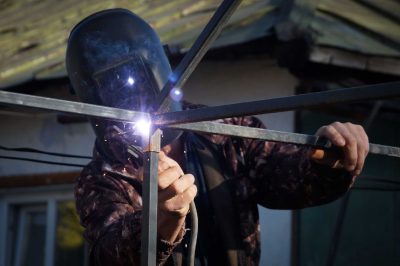
Understanding and diagnosing welding defects requires a systematic approach to know why they have occurred and how to remedy the situation. Therefore, we assess common welding issues, describe their characteristics, and explain how professionals would go about rectifying them


 Turnkey Welders